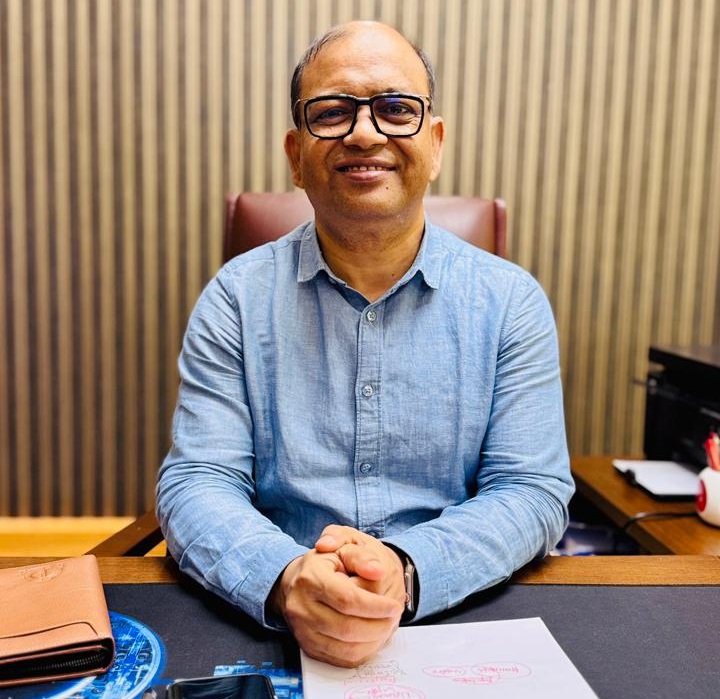
Dr. Md. Abdullah Al Mamun, NDC
Additional Chief Engineer, Road And Highway, Government Of Bangladesh
Additional Chief Engineer, Road And Highway, Government Of Bangladesh
A detailed overview of career milestones, responsibilities, and key contributions to civil engineering and transportation infrastructure.
The thematic area of the PhD research is "Travel Behavior Modelling" that focuses on the change of travel behavior in response to sustainable transport policy applied in the public transport market to be specific bus system in Dhaka. Discrete Choice Modelling technique was applied by using Stated Preference (SP) data set, Key insights developed includes the application of systems approach and device policy interventions in the subsystems of the transport system of Dhaka.
A specialized MSc program designed to prepare Civil Engineers for leadership roles in International Development Organizations, including positions within the UN, INGOs, and Multilateral Financing Institutions such as the World Bank, ADB, AfDB etc. Completed MSc (with Distinction) in Civil Engineering for International Development focusing transport infrastructure development and management financed through international development partners. The modules covered the poverty, community and development issues, aid, finance and debt crisis and debt management, project planning and management and participatory planning of development projects including social and environmental safeguard policies. Alternative funding sources for highway development and maintenance (Public Private Partnerships, Road Fund and Toll Roads) and ways to exploit these options by highway agencies was the area of my MSc dissertation.